DIY aerial installation might seem like a tempting project for the weekend handyman. After all, how hard can it be to mount an aerial and run a cable down to your telly? Unfortunately, what appears simple on the surface often turns into a frustrating and costly experience. While you might save a few quid upfront, the hidden pitfalls of doing it yourself can lead to poor signal, repeat visits to the roof, and even damage to your property.
In this blog, we’ll highlight the most common mistakes people make when installing TV aerials themselves.
We’ll also explain why calling in a professional isn’t just the easier route—it’s often the smarter one. If you’re considering a DIY install, it’s worth reading this before getting out the ladder.
Misjudging Signal Strength in Your Area
One of the biggest mistakes DIYers make is assuming signal strength is the same across the board. In reality, signal levels can vary massively depending on your distance from the nearest transmitter, elevation, and local obstructions such as hills or tall buildings.
Without the right tools to test signal quality, it’s very easy to fit an aerial in a spot that simply doesn’t deliver a strong, consistent feed.
This often results in missing channels, pixelated images, or the dreaded “no signal” message.
Professional installers use signal meters to pinpoint the best location and alignment, ensuring reliable reception. Guesswork might get you some channels, but not necessarily all the ones you want—and certainly not in the best quality.
Choosing the Wrong Type of Aerial
Not all aerials are created equal, and what works in one location may not work in another. A common mistake with DIY installs is choosing an aerial that’s unsuitable for the local signal conditions.
For example, using a budget indoor aerial in a weak signal area will leave you with poor reception from the outset.
Many people also buy aerials online without realising they might not meet UK Freeview standards. Professionals, on the other hand, will select the correct aerial for your region and situation, taking into account factors like signal strength, transmitter type, and any nearby interference sources.
Getting this right from the beginning avoids having to upgrade or replace your setup later on.
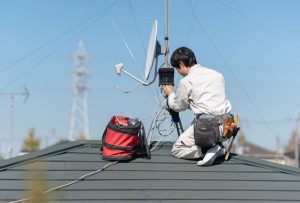
Poor Mounting and Positioning
Aerials need to be precisely aligned with the transmitter to receive a stable signal. Even a few degrees off can make a significant difference, and getting this right without the proper equipment is nearly impossible.
Many DIYers end up pointing the aerial based on guesswork or copying a neighbour’s setup, which doesn’t guarantee results.
Positioning is equally important. Mounting the aerial too low, too close to trees, or behind physical obstacles can severely limit its performance.
On top of that, insecure mounts or poor waterproofing can lead to damage during storms or high winds. A professional will ensure your aerial is safely and securely mounted in the optimal spot.
Using Inadequate or Low-Quality Cabling
Cheap or damaged coaxial cable is a surefire way to compromise your entire TV setup. It’s common for DIY installers to reuse old cables, not realising that wear and tear—or simply using the wrong grade of cable—can introduce signal loss or interference.
Add in a few poorly crimped connectors, and your signal quality drops even further.
Professionals use industry-standard cables that are built to last and properly shielded to minimise interference.
They’ll also ensure that all connections are tight, neat, and weatherproofed. This attention to detail helps avoid signal dropouts and the need for future repairs or adjustments.
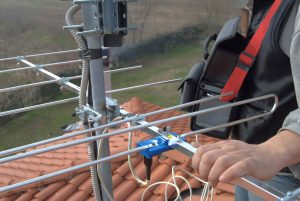
Ignoring Safety Risks
Climbing onto your roof with tools in hand is dangerous enough, but doing it without the right safety gear or experience adds serious risk. DIY aerial installers often underestimate just how precarious rooftops can be, especially in wet or windy conditions.
A fall from even a single-storey roof can cause serious injury.
There’s also the electrical side of things. Working near overhead cables or incorrectly grounding your system could lead to an electric shock.
Professional installers are trained to work safely at height and follow strict safety protocols, making the job far less risky than it would be in untrained hands.
Overlooking Future-Proofing
Most DIY installs focus on solving today’s problems, like getting a clear picture in the living room. But what about future needs—like distributing signal to multiple rooms, adding a 4K-capable aerial, or integrating with a home security system?
Without the right planning, a DIY job often means starting again from scratch when those needs arise.
A professional will install with flexibility in mind, making it easier to expand your setup in the future without tearing things apart.
Whether it’s running additional cabling, installing distribution amplifiers, or choosing aerials that support newer broadcast formats, having the foresight makes your investment last longer.
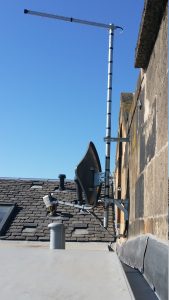
Underestimating Troubleshooting Skills
When something goes wrong—and it often does with DIY—many find themselves completely stumped. Troubleshooting a signal issue isn’t as simple as wiggling a cable or retuning the box.
Without technical knowledge or signal testing gear, you’re likely to waste hours trying to fix a problem that a pro could sort in minutes.
And if you do manage to identify the problem, sourcing the correct parts or understanding how to fix it properly can be another hurdle. The result? More time, more money, and more stress.
A professional not only installs things correctly the first time but can also resolve faults efficiently if they do arise.
Why Hiring a Professional Is the Smarter Option
Hiring a professional might cost more upfront, but in most cases, it saves money in the long run. Professionals come equipped with the right tools, knowledge, and experience to do the job properly the first time around.
Their installations are cleaner, more reliable, and usually backed by a guarantee for peace of mind.
Plus, you avoid the physical risk, the frustration of repeat trips up the ladder, and the hassle of diagnosing signal problems on your own.
In a world where your TV signal is a vital part of your daily downtime, getting it right from day one is worth every penny. For residents in Scotland, TV Local Scotland offers expert installation services across the region.
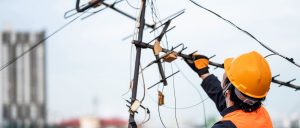
Conclusion
DIY aerial installation might seem like a good idea until you’re halfway up the roof trying to figure out why your picture’s still fuzzy.
From poor positioning to using the wrong equipment, the potential for error is high, and the consequences can be both costly and dangerous.
Instead of cutting corners, consider investing in a professional service that gets it right the first time.
At TV Local Scotland, we take the guesswork (and the risk) out of aerial installation. Get in touch today and enjoy a hassle-free, crystal-clear reception from the start.