A good CCTV system is not just about the cameras you choose. It is about where those cameras are placed, what they can see, and how well the whole setup works together around your home.
Thoughtful camera positioning helps cover entrances, driveways, gardens and outside walls without wasting views on areas that matter less. This guide explains the main places worth considering, and how a professional installer plans coverage without turning the job into guesswork.
Start with the routes people actually use
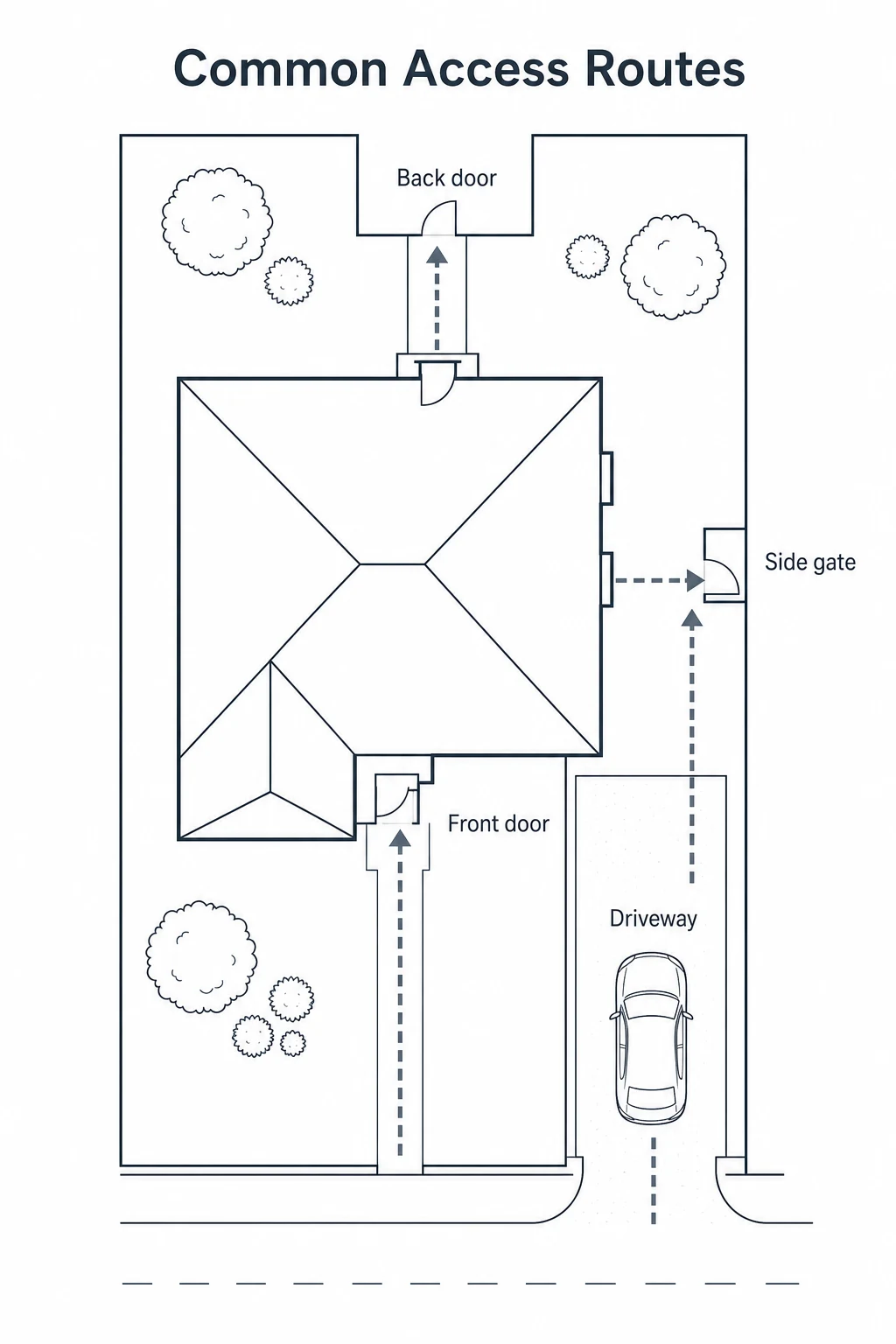
The best place to begin is not with the camera itself, but with movement around the property. A useful CCTV layout follows the routes that people, vehicles and deliveries naturally take. That usually means the front entrance, the driveway, side paths, rear doors, garden access points and any gates or outbuildings.
Think about where someone would approach the home during the day and after dark. A camera that watches a doorway may be useful, but a camera that also captures the route to that doorway can give better context. The same applies to a driveway. Covering the space where a vehicle is parked is helpful, but seeing the approach to that space can be just as important.
Professional camera placement is about building a chain of coverage. One camera may capture the front approach, another may cover the entrance, and another may watch a side passage or rear garden. When these views are planned together, there are fewer blind spots and fewer awkward gaps between camera angles.
If you are planning a new system rather than adjusting an existing one, TV Local’s CCTV installation service is a natural place to start because it focuses on practical coverage for domestic properties.
Front doors, porches and main entrances
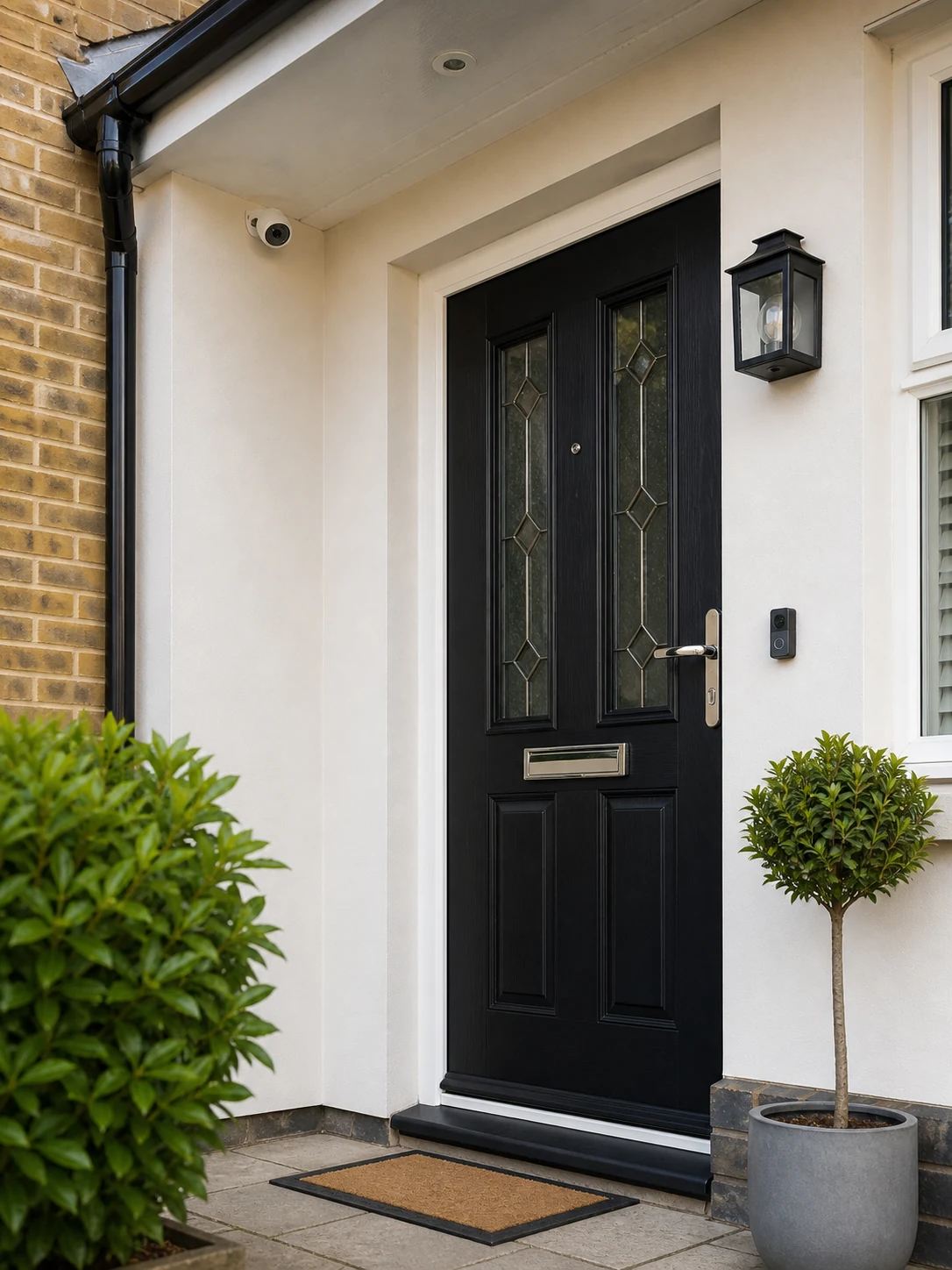
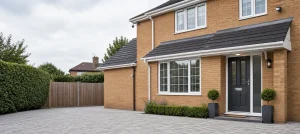
The front entrance is usually one of the most important positions for a home CCTV camera. It is where visitors arrive, deliveries are left and unexpected callers often appear. A camera here should capture the person approaching the door, not just the top of a head or a narrow slice of the step.
Height matters. If a camera is too high, it may see movement but miss useful facial detail. If it is too low, it can be easier to tamper with and may not cover enough of the approach. A professional installer will look for a position that balances useful identification, tamper resistance and a clear view of the entrance area.
Porches, canopies, door frames and exterior lighting can all affect the view. A camera may need to sit slightly away from a bright light, reflective surface or deep shadow. The aim is to avoid glare at night and keep the subject visible as they move towards the door.
For some homes, the front door camera works best alongside a second camera covering the wider front approach. That can help capture visitors before they reach the entrance, especially where paths, steps or parking spaces sit away from the door itself.
Driveways, parking spaces and vehicle access
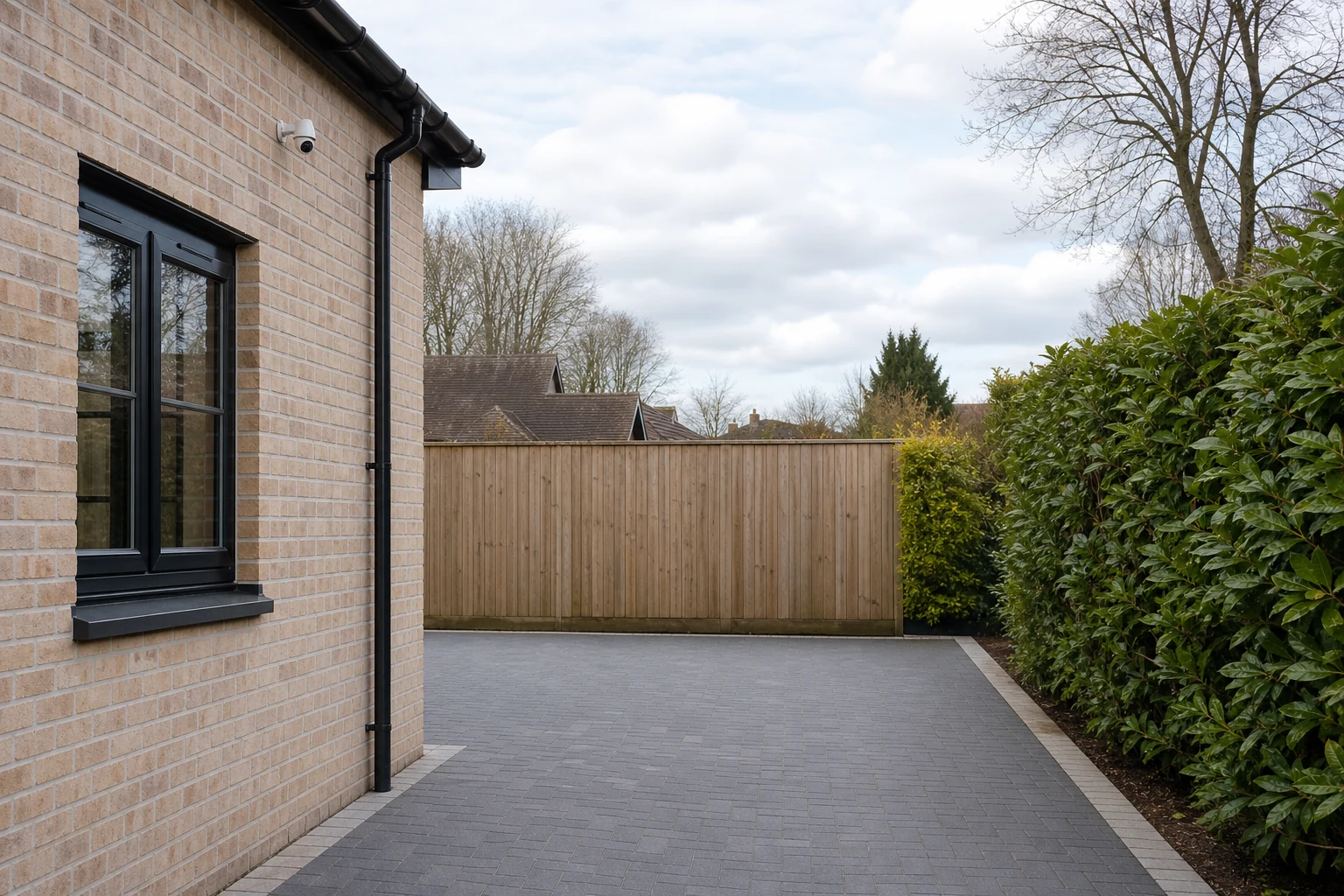
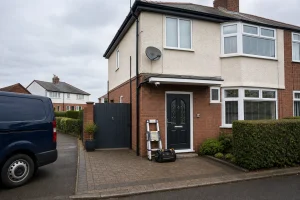
Driveways need careful planning because vehicles can easily block a camera’s view. A camera looking straight across a driveway may be useful when the space is empty, then much less useful once a car is parked. A better position often gives a wider angled view that covers the entrance to the driveway as well as the parking area.
The main questions are simple. Where do vehicles enter? Where do people walk after parking? Are there gates, bins, sheds or side doors nearby? A camera that answers these questions can provide more useful footage than one that simply looks down at a vehicle roof.
Lighting is another consideration. Headlights, security lights and street lighting can all change what the camera records. The position should help the camera cope with bright light in one part of the picture and darker areas in another. This is one reason professional placement is useful, because the installer can assess the view in relation to real surfaces, angles and lighting points around the home.
It is also worth thinking about future changes. If a driveway may later hold a second vehicle, a larger vehicle or a storage unit, the camera position should allow for that where possible. A little planning at the start can keep the system useful as the property layout changes.
Side paths, gates and less obvious access points
Side access is easy to overlook, but it can be one of the most valuable areas to cover. Many homes have narrow paths, garden gates, meter cupboards, storage areas or rear access routes that are not visible from the front door. These spaces can become blind spots if all the cameras are focused only on the most obvious entrance.
A side path camera should usually show movement along the route, rather than only the gate or only the rear corner. The goal is to see someone enter the area, move through it and approach the next access point. This gives the footage a clear sequence.
Camera angle is important in narrow spaces. If the view is too tight, the camera may capture close movement but miss the wider route. If it is too wide, detail may be weaker. A good position gives enough distance to follow movement while still keeping the important area clear.
Cables, drainage, rooflines, windows and outdoor fixtures can all influence the final position. Professional installers take these practical details into account so the camera is both effective and neatly fitted. That is one of the reasons many homeowners compare DIY and professional CCTV installation before deciding how to proceed.
Rear doors, patios and garden coverage
Rear access is often where CCTV coverage becomes more complex. Gardens may include patios, sheds, paths, fences, bins, outdoor seating, side gates and rear doors. One camera rarely covers everything well, so the installer has to decide what matters most.
The rear door itself is usually a priority because it is a direct access point into the home. A camera should capture the area around the door and enough of the approach to understand where movement came from. If there is a patio or garden path leading to the door, that route may need its own view or a carefully chosen shared angle.
Garden cameras should avoid wasting too much of the frame on sky, walls or empty areas. The most useful coverage is usually at human height across routes, gates, sheds and usable outdoor space. If the camera is mounted too high or aimed too broadly, the footage may look impressive but offer less detail when it matters.
Homes with larger outdoor areas may need a layered layout. One camera might cover the rear access point, another might cover the garden route, and another might watch an outbuilding or storage area. The exact layout depends on the shape of the property and how people move through the space.
For properties with wider grounds or more exposed access routes, TV Local’s guide to CCTV for rural properties may also be useful, especially when planning coverage over larger outside areas.
How professionals reduce blind spots
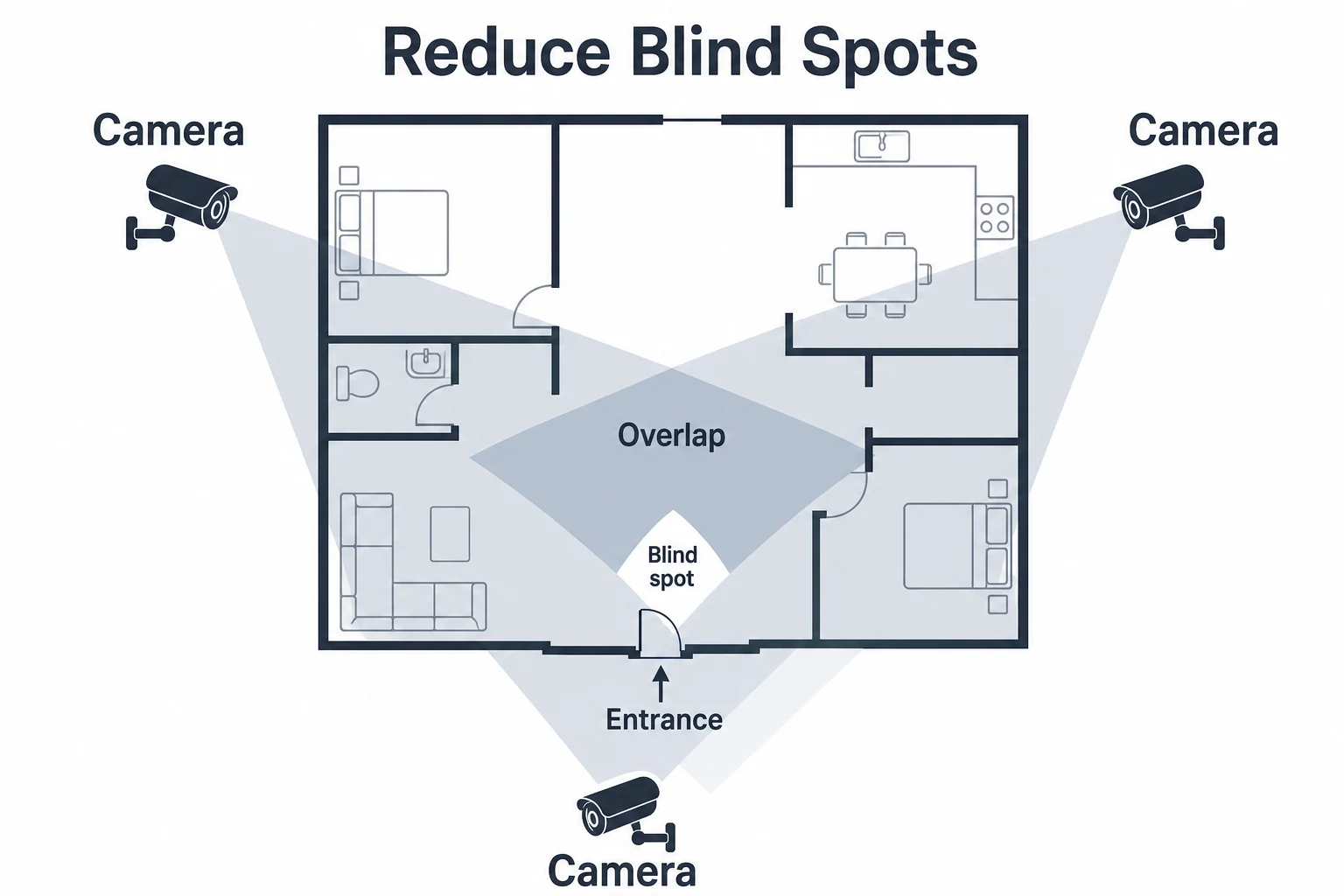
Blind spots happen when cameras are chosen or positioned one at a time instead of as part of a full system. A camera might cover the front door perfectly but leave the side gate unseen. Another might watch the driveway but miss the person walking from the vehicle to the house.
Professional installers reduce these gaps by planning overlapping views. This does not mean every camera records the same area. It means the end of one view connects sensibly with the start of another, so movement can be followed around the property.
There are several practical checks that help improve coverage:
- Confirm each main entrance is covered from a useful angle.
- Check that paths between entrances are not left unseen.
- Allow for parked vehicles, open gates and seasonal garden growth.
- Position cameras to limit glare, heavy shadow and wasted sky.
- Keep cameras secure, tidy and suitable for the surface they are fitted to.
It is also sensible to think about maintenance from the start. Cameras should be positioned where they can be checked, cleaned and adjusted when needed without making routine care awkward. TV Local has a separate guide on CCTV system maintenance if you already have cameras fitted and want to keep them working well.
Privacy should also be considered when planning any home CCTV layout. This article is focused on coverage planning rather than legal advice, but camera angles should be chosen responsibly and with neighbouring spaces in mind.
- Plan CCTV around real movement routes, not just obvious camera positions.
- Entrances, driveways, side paths, rear doors and garden access points all need separate consideration.
- Good camera height and angle help capture useful detail while reducing blind spots.
- Overlapping views can make footage easier to follow around the property.
- Professional installation helps balance coverage, neat fitting, lighting and practical maintenance.
Frequently asked questions
How many CCTV cameras does a typical home need?
It depends on the layout. Some homes may only need a few carefully placed cameras, while others need separate coverage for front access, driveway, side paths and rear areas. A site assessment is the best way to decide.
Should cameras point at doors or paths?
Often both matter. A door camera captures visitors at the entrance, while a path or approach camera gives useful context before they arrive. The strongest systems usually combine these views.
Is a high camera position always better?
Not always. A higher position can help protect the camera and cover more space, but it may reduce useful detail. The best height balances coverage, clarity and security.
Can existing CCTV cameras be repositioned?
In many cases, yes. If a system has blind spots or poor angles, an installer may be able to adjust camera positions, improve views or recommend extra coverage where needed.
Plan clearer CCTV coverage
If you want a home CCTV layout that covers the right places without guesswork, TV Local can help plan and install a system around your property’s real access points.