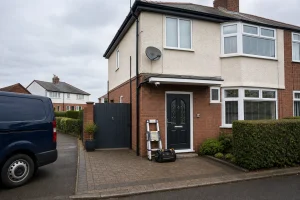
Older properties often have plenty of character, but they can also come with practical challenges. TV reception is one of them.
Thick walls, ageing cabling, older roof structures, and systems installed many years ago can all make it harder to enjoy a clear and stable picture.
The good news is that poor reception in an older home does not always mean a major problem. In many cases, a few sensible improvements can make a noticeable difference.
From checking your aerial to upgrading outdated components, there are several ways to improve performance.
Why Older Properties Struggle With TV Reception
Many older homes were built using solid brick, stone, or dense materials that can interfere with signal strength.
While these materials are excellent for durability, they may reduce how easily signals travel through the property, especially when indoor equipment is involved.
Layout can also play a part. Chimneys, unusual roof shapes, thick internal walls and extensions added over time may create obstacles or weak points. In some locations, distance from the nearest transmitter can make these issues even more noticeable.
Common Signs of Poor Reception
One of the most common signs is picture break-up or pixelation. You may notice channels freezing, sound cutting out, or the image becoming distorted during normal viewing.
These issues often point to an unstable signal rather than a fault with the television itself.
Some households also find that certain channels disappear altogether or only work occasionally.
Reception may seem worse during windy weather or heavy rain, which can suggest an aerial alignment issue or weakened outdoor equipment.
Check the Existing Aerial and Cabling
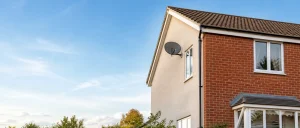
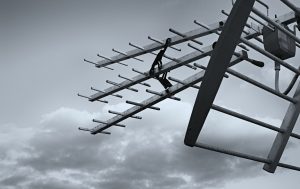
If your aerial has been in place for many years, it may simply be worn out.
Outdoor aerials are exposed to wind, rain and changing temperatures, so brackets can loosen and components may corrode over time. Even a slight movement can affect signal quality.
Cabling is equally important. Old coaxial cables can degrade internally, while loose connectors may create signal loss.
If the cable runs through loft spaces or exterior walls, it is worth checking for cracks, moisture damage, or general wear.
Consider a Modern Aerial Upgrade
Modern aerials are often better suited to today’s broadcasting conditions than equipment fitted decades ago.
A newer model may provide stronger and more consistent reception, particularly in areas where signal levels are modest or variable.
Choosing the right aerial matters as much as replacing it. A property in a rural area may need something different from a home in a town centre.
Correct placement and alignment can also have a major impact, which is why professional installation is often worthwhile.
Improve Indoor Signal Distribution
Even with a good aerial, poor internal distribution can reduce performance around the home.
Old wall plates, unnecessary cable joins, and outdated splitters can all weaken the signal before it reaches the television.
Refreshing internal cabling and simplifying the setup may help more than expected.
In some homes, a properly chosen amplifier can improve things, but too much boosting can create problems as well. It is usually best to match the solution to the signal level.
Other Factors Worth Checking
External changes around the property can sometimes affect reception. Trees that have grown taller, nearby scaffolding, or new buildings may partially block the signal path.
These changes are easy to overlook because they happen gradually.
Inside the home, some electrical devices may also cause interference.
Poorly shielded electronics, power supplies, or networking equipment can occasionally disrupt reception. It is also worth returning the television and checking that your equipment is still up to date.

Why Professional Testing Helps
It can be difficult to know whether the problem lies with the aerial, cabling, signal level or the television itself.
Professional testing equipment can measure signal strength and quality accurately, helping identify the real cause quickly.
This can save time and money by avoiding guesswork. Rather than replacing parts unnecessarily, a proper inspection often reveals the most effective fix.
It also avoids the risks involved with climbing onto roofs or accessing chimneys.
Conclusion
Older properties can absolutely enjoy reliable TV reception, but they sometimes need a little more attention than newer homes.
Ageing systems, building materials and layout quirks can all play a role, yet many issues are straightforward to resolve.
Whether it is replacing worn cables, upgrading the aerial or improving indoor connections, the right changes can make viewing far more enjoyable.
If problems continue, expert advice may be the quickest route to a clear and dependable signal.