So when it comes to free-to-air TV in the UK, there are two main options: Freesat and Freeview. Both offer a wide range of channels without a subscription, so are great for those who want TV without the ongoing costs.
However, while they share some similarities, they are very different in how they deliver content to your home which can impact your viewing experience depending on where you live and your setup.
Choosing between Freesat and Freeview isn’t always easy, as each has its pros and cons. Factors like signal strength, installation requirements and channel availability all come into play. In this guide we’ll look at what each offers, and their main differences and help you decide which is right for your home.
What Is Freeview?
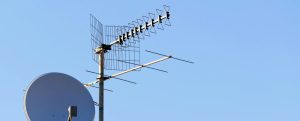
Freeview is the UK’s digital terrestrial TV service, offering over 70 standard channels and some HD channels all without a subscription. It’s widely available across the country and works through a standard TV aerial, so most homes can get it with minimal setup.
Many modern TVs come with built-in Freeview tuners, so in many cases all you need to do is connect an aerial and you’re good to go. If your TV doesn’t have a built-in tuner, you’ll need a separate Freeview box.
One of the big advantages of Freeview is its simplicity. Unlike satellite services, there’s no need for a dish installation, so it’s perfect for renters or those living in flats where installing extra equipment may not be possible.
However, channel availability and quality depend on your aerial and the strength of the signal in your area. Some areas, particularly rural or remote, may struggle with weak reception and limited channel choice.

What Is Freesat?
Freesat is a satellite TV service that also offers free-to-air channels without a monthly subscription. Unlike Freeview which uses aerial reception,
Freesat delivers its content via satellite so the signal is more consistent across the UK. To get Freesat you need a satellite dish and either a Freesat TV or a separate Freesat box.
Many homes with an existing Sky dish can switch to Freesat without any extra installation.
One of the big benefits of Freesat is its coverage and reliability, especially in areas where Freeview signals are weak or poor. Since it uses a satellite connection, Freesat gets over 180 channels, more HD channels than Freeview.
Freesat also has on-demand content, recording and smart TV services so is a great option for households that want a more comprehensive viewing experience.
Freesat vs Freeview
One of the main differences between Freesat and Freeview is the signal reception. Freeview uses digital terrestrial transmission so can be affected by local interference, weather and aerial positioning.
Freesat uses satellite technology so has a more stable and widespread signal that covers the whole of the UK. So Freesat is better for those living in remote areas where terrestrial signal strength is poor.
Another big difference is the number of channels. Freeview has around 70 channels, and Freesat has over 180 including extra HD and radio channels.
Freeview has an advantage in live TV and catch-up services through Freeview Play which integrates on-demand content from BBC iPlayer, ITVX, Channel 4 and My5.
Freesat also has on-demand services but may require an internet connection and a compatible set-top box for full functionality.
Which One Should I Choose?
Choosing between Freesat and Freeview depends on where you live and what you watch. Freeview is great for those who already have a TV aerial and live in an area with good reception.
It’s easy to set up and doesn’t require additional installation so is a hassle-free option for many households. If you mainly watch live TV and catch-up services from the main broadcasters Freeview will meet your needs without extra costs.
But if you live in a rural or coastal area where terrestrial signals are weak or unreliable then Freesat is the better option. It has more channels, a more stable signal and extra features like on-demand services and recording options.
While it requires a satellite dish many homes already have one from previous Sky installations so switching to Freesat is easy. If wider channel choice and better picture quality is important to you then Freesat is worth considering.
Conclusion
Both Freesat and Freeview offer great free-to-air TV but the choice is down to your individual needs and circumstances.
Freeview is perfect for those who want a simple no-hassle solution with access to the main UK channels, Freesat is better for those who need a more reliable signal and more channels.
Understanding the differences in setup, channel availability and coverage will help you make an informed decision.
Before you choose, check the signal strength in your area and consider what equipment you already have. Whether you go for Freeview’s aerial-based service or Freesat’s satellite reliability both offer great TV without the monthly subscription costs.
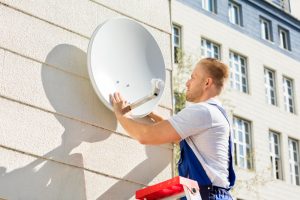
If you need professional advice or installation help don’t hesitate to get in touch with an expert to get the best viewing experience possible.