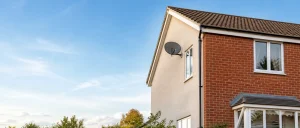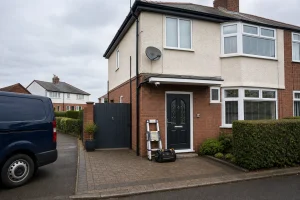
Storms are an unavoidable part of Scottish weather, and they can wreak havoc on your home in more ways than one. One of the most common, yet overlooked, casualties of high winds and heavy rain is your TV aerial.
A damaged aerial can cause poor signal quality, complete loss of channels, and, in some cases, pose a safety risk if it becomes loose or unstable.
Knowing how to identify and address damage promptly is key to keeping your home entertainment system working and avoiding potential hazards.
This guide is designed to walk you through the process of inspecting, repairing, and protecting your aerial after a storm.
Whether you are considering a simple DIY adjustment or deciding when to call in a professional, the steps outlined here will help you make informed decisions.
Taking proactive measures can save both time and money while ensuring your aerial remains functional in the unpredictable Scottish climate.
Identifying Storm Damage
After a storm, the first step is to examine your aerial for obvious signs of damage. Look for bent or broken elements, loose fittings, or misaligned sections.
Sometimes the damage is subtle, such as a slight tilt that affects signal reception. Check the picture quality on your TV—intermittent freezing or pixelation can also indicate aerial issues.
Safety is crucial during inspection. Avoid climbing on the roof if it is slippery or wet, and consider using binoculars from a safe distance.
If you notice severe damage, such as a falling aerial or snapped brackets, it’s best to contact a professional immediately. Minor problems, however, may be manageable with careful attention and the right tools.

Safety Precautions Before Repair
Before attempting any repair, make sure all electrical equipment connected to the aerial is turned off. Even a small storm-damaged aerial can conduct electricity, so caution is essential.
Wear protective gloves, non-slip footwear, and, if you need to access higher areas, ensure ladders are properly stabilised.
Weather conditions also matter. Avoid working in windy, rainy, or icy conditions, as these increase the risk of slips and falls.
Even a simple adjustment can become dangerous in poor weather, so choose a calm, dry day for any DIY repairs. Prioritising safety will reduce the chance of accidents while handling the aerial.
Assessing the Extent of Damage
Once it is safe, examine the aerial and its components more closely. Determine whether the damage is minor, such as a bent element that can be straightened, or major, like a snapped aerial that requires full replacement.
Don’t forget to inspect the cables and mounting brackets, as storms can loosen these or cause hidden issues.
Be aware of less obvious problems such as water ingress, rust, or corrosion. These may not be immediately visible, but can affect signal quality over time.
Understanding the full extent of the damage ensures that you address all issues and prevent repeated problems in the future.
Step‑by‑Step Repair or Realignment
For minor fixes, gather the necessary tools such as pliers, wrenches, and a signal meter if available.
Carefully straighten any bent elements, making sure not to apply too much pressure and risk further damage. Tighten loose screws and brackets to stabilise the aerial on its mounting.
Once repaired, check the alignment of your aerial. Even a small misalignment can significantly reduce signal quality.
Adjust the aerial gradually and monitor the signal on your TV until it reaches an optimal level. Patience during this step is essential to achieving a clear reception and avoiding repeated adjustments.
When to Call a Professional
Not all damage is suitable for DIY repair. If the aerial is badly broken, hanging dangerously, or located in a difficult-to-access area, it’s safer to hire a certified aerial installer.
Professionals have the tools, experience, and insurance to handle complex repairs and installations safely.
Hiring a professional also comes with peace of mind. They can assess the aerial system thoroughly, identify any hidden issues, and provide a lasting repair.
While there is a cost involved, it is often less than the potential expense of damage caused by incorrect DIY repairs or repeated failures.
Preventing Future Storm Damage
Prevention is always better than a cure. Regularly inspecting your aerial and mounting hardware can help catch small issues before they become major problems.
Keeping the aerial clear of debris and ensuring brackets remain tight will improve resilience against future storms.
Consider investing in durable materials designed for Scottish weather, such as stainless steel brackets and weather-resistant aerials.
Adding stabilising brackets or lightning protection can also extend the lifespan of your installation. A little proactive care goes a long way in protecting your aerial from the next storm.
Conclusion
Storm damage to TV aerials is a common issue in Scotland, but with careful inspection and timely repairs, it can be managed effectively.
By following the steps outlined in this guide, homeowners can safely assess damage, perform minor repairs, and know when to call in professional help.
Regular maintenance and preventive measures not only ensure clear TV reception but also prolong the life of your aerial.
By taking a proactive approach, you can enjoy uninterrupted entertainment while keeping your home safe and storm-ready.