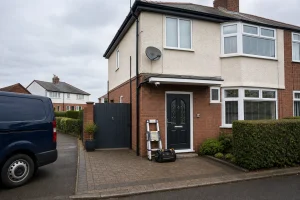
In recent years, the demand for CCTV in rural areas has increased significantly. With rural crime on the rise and emergency services often facing longer response times, property owners in the countryside are turning to technology for peace of mind.
Whether it’s a family farmhouse, remote cottage, or agricultural business, the need to protect people, property, and valuable assets has never been more vital.
CCTV systems offer an effective and visible deterrent to criminals while giving property owners the ability to monitor their surroundings in real time or via recorded footage.
However, installing CCTV in remote areas brings its own set of challenges. In this blog, TV Local Scotland will explore the main difficulties faced by rural property owners and offer practical solutions to ensure effective security coverage.
Why Rural Properties Are Vulnerable
Rural properties are often situated in secluded locations, far from the immediate oversight of neighbours or local authorities.
This isolation makes them prime targets for opportunistic crimes such as fuel theft, tool and equipment burglary, and even livestock poaching. With vast land to cover and multiple access points, intruders can move around unnoticed for longer periods compared to urban settings.
Additionally, due to their remote nature, rural homes and businesses may not benefit from the same level of community surveillance or police presence.
Many farms, stables, or country homes rely on visual deterrents and self-monitoring, which makes a well-planned CCTV system a crucial part of any rural security setup.
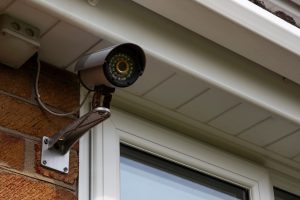
Key Challenges with Rural CCTV Installation
One of the biggest barriers to effective rural CCTV installation is the lack of available power sources, especially in barns, outbuildings, or at the far end of a long driveway.
Many of these structures are not connected to mains electricity, making it difficult to power traditional CCTV cameras without running costly underground cables or using temporary solutions.
Connectivity also poses a significant issue. Many rural properties suffer from slow broadband or patchy Wi-Fi coverage, which hinders the ability to stream live footage or receive remote alerts.
Even mobile signals can be unreliable in hilly or heavily wooded areas, complicating the use of 4G or 5G-enabled systems without further technical planning.
Effective Solutions for Rural CCTV Setups
Solar-powered cameras are increasingly popular in rural environments, providing an efficient and sustainable power solution where mains electricity isn’t available.
These systems store energy during daylight hours and operate throughout the night using battery reserves, making them ideal for monitoring distant gates or machinery sheds.
When it comes to connectivity, 4G and 5G-enabled CCTV cameras offer a robust alternative to Wi-Fi. These cameras use a data SIM to operate independently, giving rural property owners full access to live feeds and motion alerts regardless of local broadband limitations.
Combined with smart apps, they offer on-the-go security even in the most remote locations.
Weatherproof, IP-Rated Cameras & Placement Tips
Rural areas often experience extreme and unpredictable weather, from heavy rain and snow to high winds and frost. It’s essential to choose CCTV units with high IP ratings (IP66 or higher) to withstand outdoor conditions.
Many modern cameras are also designed with anti-vandal casings and durable materials to ensure long-term reliability.
Strategic camera placement is equally important. Installing cameras at key access points such as driveways, entrances to barns, and oil tank locations can maximise coverage while using fewer units.
Pan-tilt-zoom (PTZ) cameras are a smart choice for monitoring large areas such as fields or stable yards, as they can rotate and zoom to follow movement without the need for multiple static devices.
Motion Detection and Smart Alerts
CCTV systems equipped with motion detection technology can significantly reduce the time spent reviewing footage.
Smart alerts, which notify the user when unexpected movement is detected during certain hours, ensure that rural property owners can respond promptly to potential intrusions.
These intelligent features are particularly useful in settings where human monitoring isn’t possible around the clock.
Whether you’re asleep, away on holiday, or tending to other parts of your land, having motion-triggered CCTV provides a reliable second pair of eyes and helps prioritise attention where it’s most needed.
Storage and Access Options
Recording and storing footage securely is vital, especially if it’s needed as evidence in the event of a break-in.
Traditional DVR or NVR systems allow for extended storage, with many offering weeks or months of continuous recording, depending on the size of the hard drive. These can be kept on-site in a secure, weatherproof box.
For those with reliable internet access, cloud storage is another convenient option. It enables footage to be saved off-site and accessed remotely via smartphone or laptop.
This adds an extra layer of security in case the recording equipment is tampered with or damaged during an incident.
Legal Considerations
When installing CCTV on your property, it’s important to remain compliant with UK laws regarding privacy and data protection.
If your cameras overlook public footpaths, shared driveways, or neighbouring land, you must put up clear signage and be prepared to justify your recording practices under the General Data Protection Regulation (GDPR).
For rural businesses, particularly those employing staff or hosting visitors, additional obligations apply.
You must inform anyone who may be recorded and ensure that any captured footage is stored securely and only kept for as long as necessary. Failing to comply could result in legal issues or fines.
Professional vs DIY Installation
While DIY CCTV kits are widely available and suitable for small-scale setups, there are times when professional installation is the smarter choice.
A trained engineer will ensure proper placement, avoid blind spots, and handle the technical requirements of power and network connectivity. They can also provide ongoing maintenance and support.
On the other hand, for those comfortable with technology, many modern CCTV systems are designed to be plug-and-play.
Wireless cameras, app-controlled devices, and clear setup instructions make it easier than ever to install a basic system yourself — particularly useful for monitoring small areas like a single garage or stable.

Conclusion
Securing a rural property requires a tailored approach that addresses unique challenges such as power, connectivity, and extreme weather.
With the right CCTV system in place, you can deter criminal activity, keep an eye on valuable assets, and enjoy greater peace of mind — whether you’re home or away.
As rural crime continues to rise, taking proactive steps to protect your land and livelihood has never been more important.
Whether you opt for a professional setup or a DIY solution, investing in CCTV is a smart, long-term decision that pays off in both security and confidence. Get in touch with us today if you are looking to implement CCTV systems at your home or business.